

Private Equity Eyes Padres
Source: Times of San Diego
Good morning, San Diego.
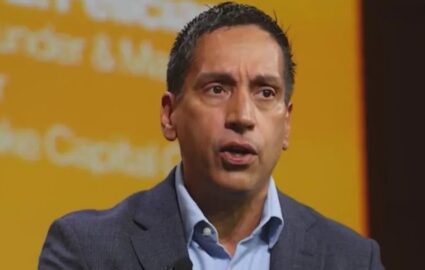
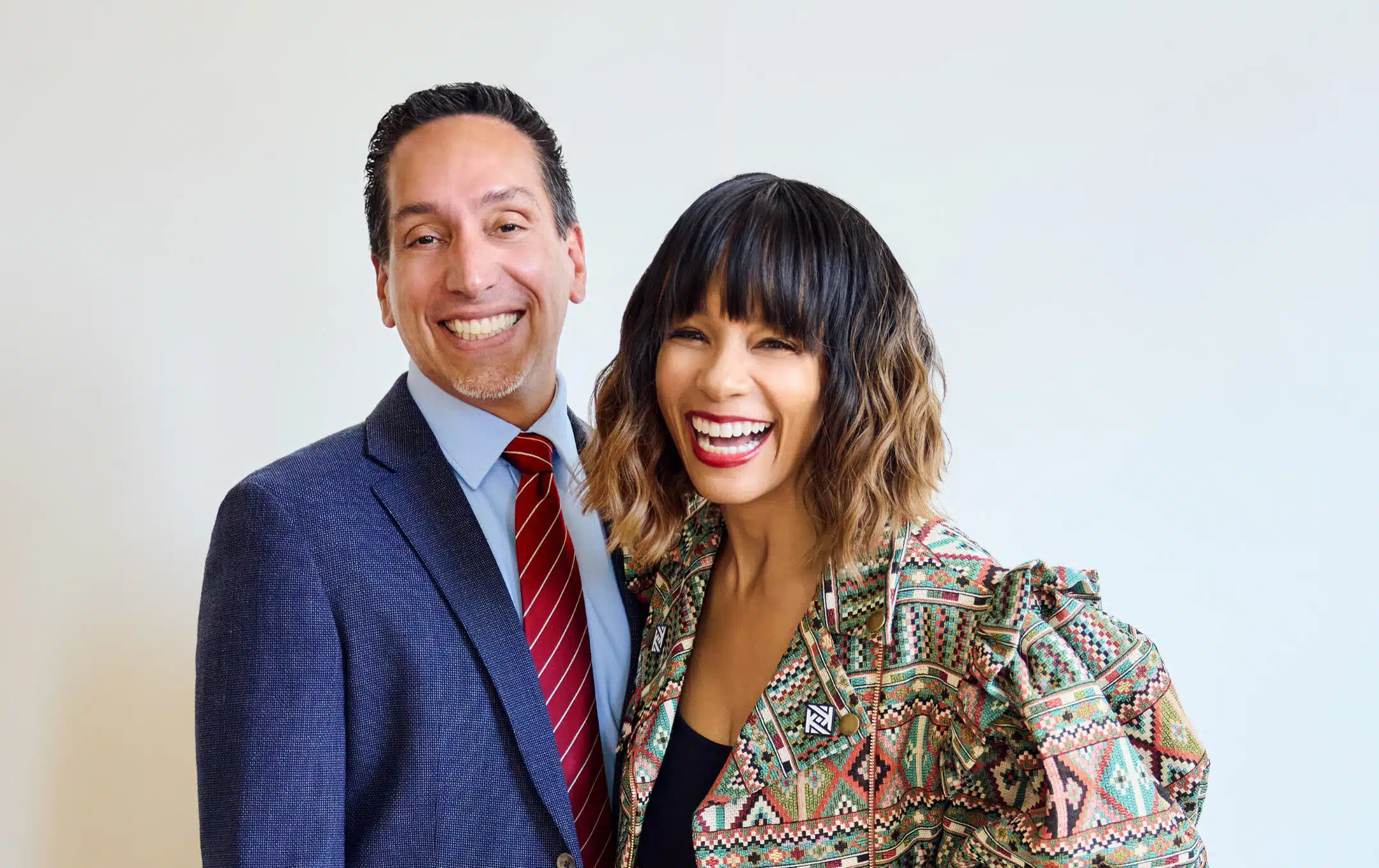
News broke early Friday that the Seidler family was finalizing a sale of the Padres for an MLB-record $3.9 billion to private equity billionaire José Feliciano and his wife Kwanza Jones.
The team could officially announce the deal on Monday or Tuesday.
The city still has a lot to learn about Feliciano, whose Clearlake Capital controls more than $90 billion in assets. He is part of a group, with Dodgers co-owner Todd Boehly, that owns Chelsea FC.
If the sale goes through, it will be years before we know how to feel about Feliciano’s stewardship of the team. He’s made encouraging comments about what it means to own a sports team — but Chelsea also posted the largest deficit in Premier League history, putting the ownership group under the microscope over meeting league sustainability rules. We’ll see how it goes.
But what we don’t need to wait on is the validation of Peter Seidler’s vision of the Padres and the city they call home.
The team’s annual payroll — the owner’s commitment to producing a winning product — lingered in the bottom third of the league for years, until Seidler took over as Padres chairperson in 2020. Then they jumped into the top ten in payroll, peaking at 3rd in 2023.
Along the way, the Padres made deep playoff runs and consistently ranked in the top five in attendance leaguewide — and were the subjects of constant tsk-tsking from observers, including the league’s commissioner, who insisted it was irresponsible for a small-market team to spend like the Padres did.
The Padres are currently the hottest team in baseball. They’ve sold the second most tickets of any team this year. Their new jerseys, an ode to the region they call home, are flying off the shelves. And they’re selling for a league-record $3.9 billion.
Seidler, who tragically passed in 2023 and now has a road outside Petco Park named for him, didn’t live to see his complete, unequivocal vindication.
But he didn’t just prove that the owners who were critical of him were merely interested in suppressing payroll. He proved that San Diego, the city, would respond to an institution that treated it right.
He was right, and there’s a broad lesson for regional leaders.